
Massage Services
Swedish vs. Deep Tissue vs. Hot Stone Massage: Which One Should You Actually Book?

Sep
Most people pick a massage based on the name. “Swedish” sounds relaxing. “Deep tissue” sounds serious. “Hot stone” sounds like an indulgence. That logic works some of the time, but it also results in people booking a deep tissue massage when their back just needs to unwind, or a Swedish massage when what they actually need is targeted work on muscles that have been chronically tight for months. Here is what each modality does, what it does not do, and how to decide which one fits what you are dealing with before your next visit to Alexandre de Paris.
Swedish Massage: What It Actually Does
Swedish massage uses long, flowing strokes, kneading, and circular movements applied to the outer layers of muscle. The pressure is light to medium, though a good therapist adjusts based on your feedback throughout the session.
Its primary effects are on the nervous system and circulation. The slow, rhythmic strokes signal the parasympathetic nervous system (the “rest and digest” state) to become dominant over the sympathetic system (“fight or flight”). Cortisol levels drop during and after a session. Serotonin and dopamine increase. The result is a genuine, measurable shift in how the body is running, not just a subjective feeling of being relaxed.
What Swedish massage does not do: it does not reach the deep fascia or resolve tension that has built up in layers over months. If a specific area has been tight long enough to develop adhesions (points where muscle fibers are stuck together rather than sliding freely), Swedish strokes will not break those up.
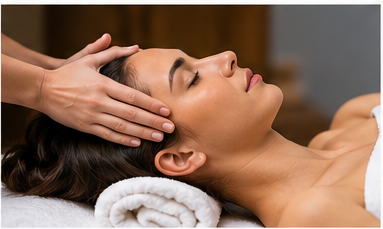
Good for: stress relief and general tension, first-time massage clients, people who prefer light-to-medium pressure, and improving sleep quality in the days after the session.
Less suited for: chronic pain in a specific area, muscular adhesions from repetitive strain, and athletic recovery after heavy training.
Deep Tissue Massage: What It Actually Does
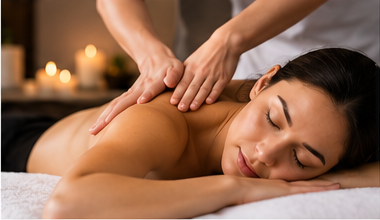
Deep tissue massage uses slower, more deliberate strokes and sustained pressure to reach the deeper layers of muscle and the connective tissue surrounding them. The goal is specific: to target adhesions, chronic tension, and restricted movement patterns that have developed over time.
The pressure is intense in tight areas. Some discomfort during the session is expected and normal. That said, productive discomfort and sharp pain are different things. The right sensation is pressure you can breathe through that releases as the therapist works. If a point makes you tense up or hold your breath, tell your therapist. They need that feedback.
Deep tissue work often causes soreness 24 to 48 hours after the session, similar to how muscles feel after a hard workout. That soreness is the tissue responding to work that reached where the problem actually lives. It typically resolves within two days.
Good for: chronic muscle tension and pain, persistent neck and shoulder tightness from desk work, repetitive strain recovery, and athletes managing overuse injuries.
Less suited for: first-time clients who do not know their pressure tolerance, flare-ups of inflammatory conditions, and situations where you just need to decompress without any physical intensity.
Hot Stone Massage: What It Actually Does
Hot stone massage uses smooth basalt stones heated to around 130 to 145 degrees Fahrenheit. The therapist places stones on specific points of the body while using others as tools to apply pressure and strokes across the muscles.
The heat is not just a comfort feature. Warmth causes blood vessels to dilate, which increases circulation to tight areas. Muscles also respond to heat by becoming more pliable before manual pressure is applied, which means the therapist can reach deeper tissue without needing to use the same intensity they would in a cold-tissue deep tissue session.
Clients who want deep relaxation but find firm pressure uncomfortable often find hot stone massage gives them the muscular release they were looking for without the intensity. The combination of heat and pressure together is what distinguishes it from other modalities.
Good for: deep muscle relaxation without aggressive pressure, clients sensitive to firm manual work, fall and winter tension relief, and general stress combined with some muscle tightness.
Less suited for: skin conditions that make heat sensitivity a concern, clients who are pregnant (modified techniques are required), and anyone with specific cardiovascular conditions (check with a doctor first).
How to Choose Based on What You Are Actually Dealing With
You sit at a desk most of the day and your neck and upper back are constantly tight: Deep tissue massage focused on the neck, shoulders, and upper back. A Swedish session will help you relax but probably will not touch the structural tension that has built up.
You are stressed, not sleeping well, and your whole body feels like it is bracing for something: Swedish massage. The goal is a system-level reset, not targeted treatment.
You want the depth of deep tissue but find heavy pressure uncomfortable or unpleasant: Hot stone massage. The heat does much of the work before the therapist applies pressure.
You have never had a professional massage before: Swedish. Get a baseline experience, communicate with the therapist throughout about pressure and comfort, and calibrate from there before trying deeper work.
You have an area of chronic pain that has not responded to stretching or heat on its own: Deep tissue, with a therapist who focuses on the relevant area. Come with a clear description of where the pain is, when it started, and what makes it worse or better.
What to Expect During Each Type of Session
During Swedish massage: The room is quiet and the lighting is low. You start face-down on a padded table. The therapist works from the lower back up through the shoulders, then moves to the legs, and returns you face-up for the arms, neck, and sometimes the face. Many clients feel drowsy by the end. That is the nervous system downregulating.
During deep tissue massage: The pace is slower and more deliberate. The therapist may use forearms, thumbs, and knuckles to reach deeper tissue layers. Expect to be asked for feedback on intensity. Some areas will feel noticeably tender. The session may not feel relaxing in the traditional sense — it is focused work — but the post-session effect is typically significant relief that lasts several days.
During hot stone massage: Warmed stones are placed along the spine, on the shoulders, and sometimes between the toes while the therapist works other areas. Stones are also used to deliver strokes across the back, legs, and arms. The overall sensation is warm, heavy, and deeply relaxing.
Can You Combine Techniques?
Yes, and it is sometimes the better option. Some massage sessions combine techniques beginning with Swedish strokes to warm the tissue and transitioning into focused deep tissue work on a specific area. If you carry general tension everywhere with one area that needs more attention, a combination session often produces better results than committing entirely to one modality.
What to Tell Your Therapist Before You Start
A session is more productive when your therapist has clear information upfront. Tell them where you carry the most tension (be specific), whether you have any injuries or active conditions in the area, and your pressure preference, especially with a new therapist.
If you have never been to a professional massage and want to understand the overall structure of your first visit, our earlier post on what to expect during your first massage at a professional spa walks through the full process step by step.
Book your massage appointment at Alexandre de Paris.
